
 English

Blog
Provide One-Stop Customized Services
WCH is dedicated to providing high-precision and high-quality
tempered glass customization services for home appliance manufacturers.


2026-09-04 10:22:55
Oven outer door glass is the glass panel installed on the outside of an oven door. It is an important part of the oven door assembly and helps provide thermal insulation, protection, visibility, and an attractive exterior appearance. Many modern ovens use a multi-layer door structure consisting of outer glass, middle glass, and inner glass to improve heat management and safety.
When selecting or replacing Oven Door Glass, it is important to choose a glass panel that matches the oven model, dimensions, mounting structure, and required thermal performance. Depending on the design, tempered Oven Glass or other heat-resistant glass solutions may be used.
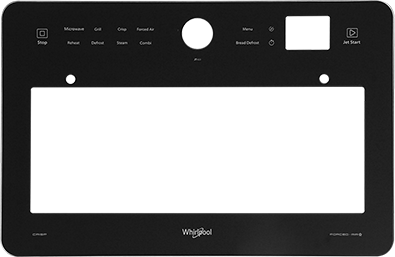
Oven outer door glass, also called oven outer glass or oven door outer glass, refers to the glass panel positioned on the exterior side of an oven door.
Unlike the inner glass, which faces the high-temperature oven cavity, the outer glass is separated from the cooking chamber by one or more additional layers. This multi-layer construction helps reduce heat transfer from the oven cavity toward the outside of the door.
A typical oven door may have the following structure:
Oven Outer Glass → Middle Glass → Inner Door Glass → Oven Cavity
One of the main functions of oven outer door glass is to help limit heat transfer from the hot oven cavity to the exterior of the appliance.
When multiple glass layers and air gaps are used in the oven door, the overall door structure can provide better thermal insulation. The exact thermal performance depends on the glass type, thickness, spacing, door construction, and oven design.
Oven Door Glass forms an important protective barrier between the high-temperature oven cavity and the user. The outer glass helps protect the internal door structure and provides a stable external surface.
Properly designed oven doors can reduce the amount of heat reaching the external surface, although the actual surface temperature varies depending on the appliance design and operating conditions.
Another important function of an oven glass panel is visibility. Transparent or appropriately tinted glass allows users to monitor food during cooking without opening the oven door.
Keeping the door closed can help maintain the oven's internal temperature and reduce unnecessary heat loss during cooking.
The outer glass is also an important visual component. Modern ovens may use clear, black, tinted, or specially treated glass to create a clean and modern appearance.
As a result, oven outer glass needs to meet both functional and aesthetic requirements.
The oven outer door glass is located on the exterior of the door. It is primarily exposed to the surrounding environment rather than directly to the oven cavity.
Some oven doors include one or more middle glass panels. These layers create additional barriers between the hot oven cavity and the exterior.
The inner door glass is positioned closest to the cooking cavity and is exposed to significantly higher temperatures. Therefore, the requirements for inner glass can differ from those for oven door outer glass.
The spacing between glass panels, together with the door frame and sealing structure, contributes to the overall thermal performance of the oven door.
The glass used in ovens needs to be suitable for the thermal conditions of the specific appliance. Tempered oven glass is one common solution because heat-treated glass can provide improved mechanical strength compared with ordinary annealed glass.
However, the exact glass composition, thickness, tempering process, and temperature performance should be selected according to the oven manufacturer's design requirements.
Tempered oven glass is heat-treated to increase its mechanical strength and resistance to thermal and mechanical stress. When properly specified for an oven application, it can be used as part of an oven door glass system.
Depending on the oven design and temperature requirements, specialized heat-resistant glass may also be considered. The appropriate material should be selected based on the expected temperature range and thermal cycling conditions.
| Feature | Oven Outer Door Glass | Oven Inner Door Glass |
|---|---|---|
| Position | Exterior side of the oven door | Side facing the oven cavity |
| Heat exposure | Generally lower | Generally higher |
| Main function | Protection, insulation, visibility, appearance | Heat resistance and separation from oven cavity |
| Appearance | Important design element | Usually less visible from the outside |
| Replacement | Requires model and dimension matching | Requires model and thermal compatibility |
A properly designed oven outer door glass can contribute to the thermal insulation performance of the complete oven door.
Appropriately processed glass can provide the mechanical strength needed for normal oven door operation. Tempered glass is commonly considered where increased strength is required.
Good-quality oven glass panels can provide clear visibility of the food inside the oven while maintaining the desired appearance of the appliance.
The outer glass is a highly visible component of the oven. Consistent dimensions, surface quality, color, and finishing can contribute to the overall appearance of the finished appliance.
Replacement oven door glass may be required when the original glass is cracked, broken, heavily damaged, or otherwise unsuitable for continued use.
Common situations include:
Cracked oven door glass
Broken outer glass panel
Damaged mounting area
Severe scratches or surface damage
Replacement during oven refurbishment
Repair or maintenance of an older oven
When replacing an oven door glass, the replacement part should match the original oven's dimensions, mounting method, glass specification, and door structure.
The first step is to identify the oven manufacturer and model number. Different ovens can use different door dimensions and glass configurations.
Measure the length, width, and thickness of the original oven outer glass where possible. Mounting holes, edges, corners, and other dimensional details may also be important.
Determine whether the application requires tempered oven glass or another specified heat-resistant glass solution. The glass should be suitable for the thermal environment of the oven door.
The replacement glass needs to fit correctly within the oven door frame, retaining clips, seals, or other mounting components.
For appliance manufacturers and replacement-part suppliers, factors such as transparency, tint, printing, edge processing, and surface finish may also need to be considered.
Yes. For oven manufacturers, appliance suppliers, and replacement-part distributors, oven outer door glass can be produced according to specific design requirements.
Possible customization options may include:
Glass dimensions
Glass thickness
Glass shape
Edge processing
Drilled holes or cutouts
Transparent or tinted appearance
Surface printing
Logo or decorative patterns
Mounting configuration
Packaging for transportation
Custom specifications should be determined according to the oven model, door construction, thermal requirements, and production process.
Oven door glass is used in a wide range of domestic and commercial cooking appliances.
Built-in ovens, freestanding ovens, electric ovens, and other household cooking appliances commonly use multi-layer glass door structures.
Commercial kitchens and food-service equipment may use specialized oven doors designed for frequent operation and demanding cooking environments.
Electric ovens commonly use multiple glass layers to provide visibility and thermal separation between the cooking cavity and the external environment.
Replacement oven door glass is also supplied as an aftermarket component for oven repair and maintenance.
Choosing the correct oven outer door glass is important because the glass is part of the complete oven door system rather than an isolated decorative panel.
The wrong glass thickness, dimensions, thermal characteristics, or mounting configuration can affect door assembly, appearance, durability, and thermal performance. For this reason, manufacturers should evaluate the complete door design and operating conditions when selecting oven glass.
Oven outer door glass is the glass panel installed on the exterior side of an oven door. It provides part of the door's thermal insulation, protection, visibility, and exterior appearance.
No. Oven outer glass is located on the outside of the oven door, while inner glass is positioned closer to the oven cavity and is generally exposed to higher temperatures.
Tempered oven glass is glass that has undergone a controlled heat-treatment process to improve its mechanical strength and resistance to thermal and mechanical stress. Its suitability depends on the specific oven application and glass specification.
Yes, damaged oven door glass can often be replaced. The replacement glass should match the oven model, dimensions, thickness, mounting structure, and required thermal performance.
Oven door glass generally refers to glass installed as part of the oven door, while an oven glass panel is a broader term that can describe an individual glass panel within the door assembly.
Yes. Manufacturers can produce custom oven outer door glass according to required dimensions, thickness, shape, edge treatment, printing, tint, mounting features, and other design requirements.
Oven outer door glass is an important component of modern oven doors. It helps provide thermal separation, protection, visibility, and an attractive exterior appearance. In a multi-layer oven door, the outer glass works together with the middle and inner glass layers to form the complete door system.
For appliance manufacturers and replacement-part suppliers, selecting the right oven door glass requires careful consideration of dimensions, glass type, thermal conditions, mounting structure, and appearance. Whether you need standard tempered oven glass or custom oven outer glass, the specification should always be matched to the actual oven door design.

Tel/Whatsapp:+86 13423078888
E-mail:chloe_mo@wchtemperglass.com
Address:Yuan He Road North, Xiang Xi Industrial Zone, Shipai Town, Dongguan City, Guangdong Province, China


Privacy Policy Cookie Policy Terms and Conditions
Copyright © 2025 W.C.H Temper Glass Co., Ltd. All rights reserved.