
 English

Blog
Provide One-Stop Customized Services
WCH is dedicated to providing high-precision and high-quality
tempered glass customization services for home appliance manufacturers.


2026-10-15 17:24:03
Low-E door glass is an energy-efficient glazing solution designed to reduce heat transfer while allowing natural light to enter a building. It is commonly used in residential entrance doors, commercial glass doors, office buildings, and modern architectural projects. With its ability to improve thermal insulation and indoor comfort, Low-E glass has become an important choice for energy-conscious construction.
For architects, door manufacturers, contractors, and glass distributors, selecting the right Low-E glass front door involves more than appearance. Glass thickness, coating performance, safety requirements, and the low-e glass tempering process all influence the final product's quality and suitability.
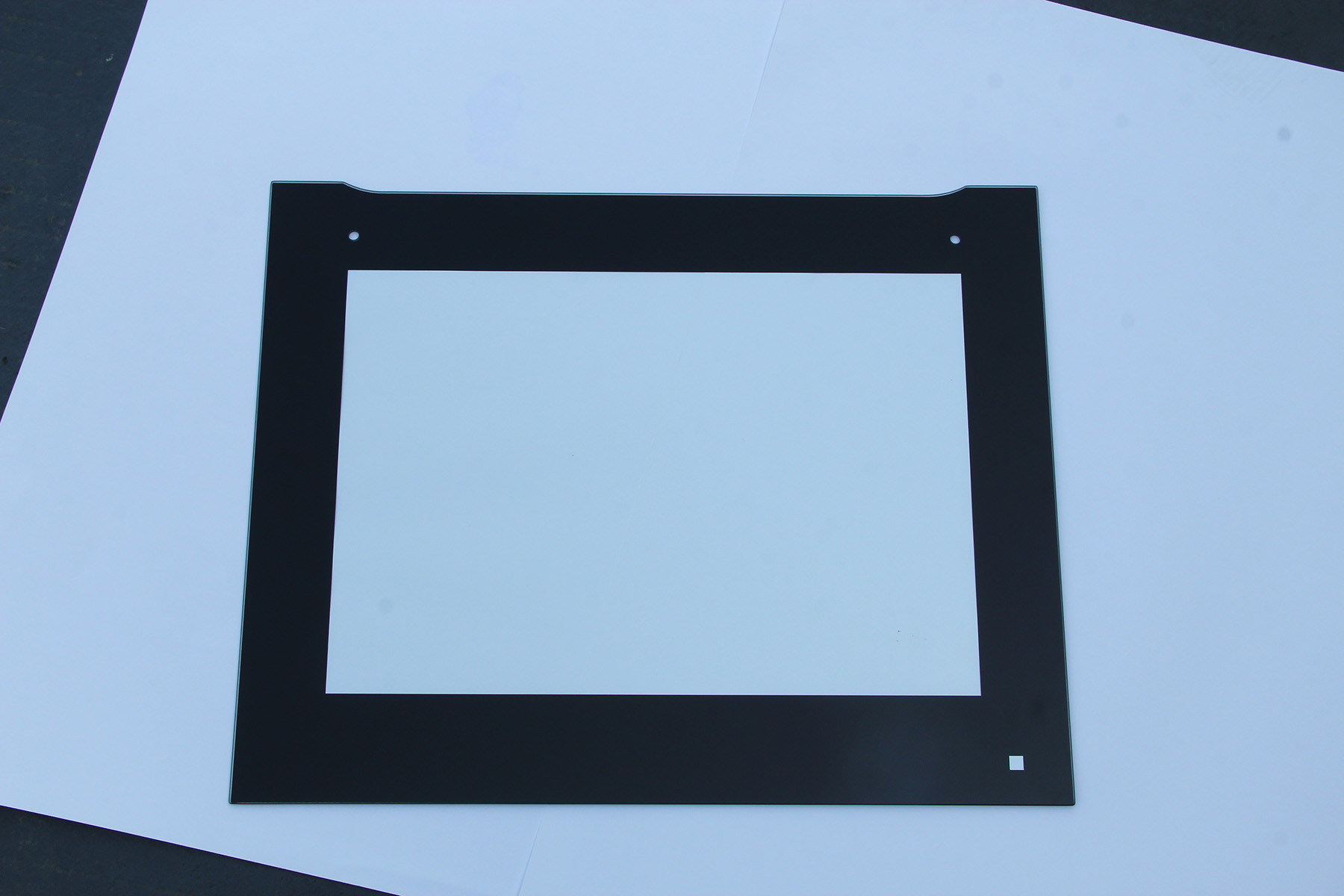
Low-E door glass refers to glass featuring a low-emissivity coating that helps reduce the transfer of radiant heat. The coating reflects a portion of infrared energy while allowing visible light to pass through, helping improve the thermal performance of a door or glazing system.
Depending on the coating type and glass configuration, Low-E door glass can help reduce unwanted heat gain in warm weather and limit heat loss in colder conditions. This makes it suitable for buildings where energy efficiency, natural lighting, and indoor comfort are important.
Low-E glass is available in different configurations, including single glazing, insulated glass units, laminated glass, and Tempered Glass. The appropriate structure depends on the building's climate, door design, safety requirements, and energy performance targets.
A Low-E glass front door helps control heat transfer through the glazed area. By reducing radiant heat exchange, the glass can support lower heating and cooling demands when used in a properly designed door and building envelope.
For residential properties, commercial entrances, and office buildings, this can contribute to a more energy-efficient indoor environment. Actual energy savings depend on the glass configuration, frame materials, sealing performance, local climate, and building design.
Large glass doors can create temperature differences near entrances, particularly in buildings exposed to direct sunlight or cold outdoor conditions. Low-E coatings help improve the thermal performance of the glazing, supporting more comfortable indoor spaces.
When combined with suitable frames, insulated glazing, and effective weather seals, a Low-E glass front door can provide a balanced solution for comfort and energy efficiency.
Low-E door glass allows natural daylight to enter while helping control heat transfer. This makes it suitable for contemporary entrance doors that prioritize a bright, open appearance.
Depending on the coating and glass type, buyers can choose different levels of visible light transmission, reflectivity, and color appearance to match architectural requirements.
Some Low-E glass configurations can help reduce the transmission of ultraviolet radiation, especially when combined with other suitable glass components. This may help reduce fading of interior furnishings, flooring, and decorative materials.
UV protection varies by glass composition, coating, and laminate interlayer. Buyers should confirm the relevant performance data rather than assume all Low-E glass provides the same level of UV protection.
Low-E glass can be incorporated into various door systems, including modern residential entrance doors, patio doors, commercial entrances, and selected interior or exterior glazed doors.
The glass structure, dimensions, edgework, and mounting method should be matched to the door system to ensure suitable performance and safety.
A Low-E glass front door can improve the thermal performance of a home's entrance while maintaining a bright and attractive appearance. It is particularly suitable for modern homes with glazed entrance panels or large glass door designs.
Homeowners can choose clear, tinted, decorative, laminated, or insulated configurations according to privacy, appearance, climate, and safety requirements.
Commercial buildings often use glazed entrances to create an open and welcoming environment. Low-E door glass can help control heat transfer through these areas while maintaining natural daylight.
Typical applications include office buildings, retail stores, hotels, showrooms, and other commercial properties where energy performance and architectural appearance are important.
Patio doors and other exterior glazed doors can be exposed to direct sunlight, outdoor temperature changes, and weather conditions. Low-E glass can help improve thermal performance when incorporated into a suitable glazing system.
For these applications, buyers should also consider impact resistance, wind loads, water resistance, and the performance of the complete door assembly.
Low-E door glass is frequently specified for projects seeking improved building-envelope performance. Depending on the project requirements, it can be combined with double or triple glazing, thermally improved frames, and appropriate sealing systems.
The final thermal performance should be evaluated using the complete glazing and door specifications, rather than the Low-E coating alone.
Low-E glass tempering is a heat-treatment process used to increase the mechanical strength of glass while retaining the intended coating performance. The glass is heated to a controlled high temperature and then rapidly cooled with air. This process creates a pattern of surface compression and internal tension, making Tempered Glass more resistant to impact and thermal stress than comparable annealed glass.
Tempered Low-E glass is widely used in applications where safety and thermal performance are both important. However, not every Low-E coating can be processed using the same tempering conditions. The coating type and surface location must be compatible with the selected manufacturing process.
1. Glass Cutting and Edge Processing
The glass is cut to the required dimensions before tempering. Edge grinding, drilling, notching, and other necessary fabrication work should generally be completed before heat treatment because Tempered Glass cannot be conventionally cut or drilled afterward.
2. Surface Inspection and Cleaning
The glass is inspected and cleaned to remove dust, oil, fingerprints, and other contaminants. Clean surfaces help reduce the risk of defects during heating and processing.
3. Controlled Heating
The glass is heated in a tempering furnace according to the glass thickness, coating type, and manufacturer's processing requirements. Low-E coated glass may require specialized handling and furnace settings to help preserve coating quality and achieve uniform heating.
4. Rapid Cooling
After heating, the glass is rapidly cooled using controlled air jets. This creates the stress distribution responsible for the increased strength of tempered glass.
5. Quality Inspection
The finished glass is checked for dimensions, visual defects, coating appearance, flatness, and other relevant quality criteria. Additional tests may be required depending on the intended application and applicable safety standards.
Low-E glass tempering requires careful process control because the coating may respond differently to heat than ordinary clear glass.
Some Low-E coatings are designed for heat treatment, while others are intended for use without tempering. Before production, manufacturers should confirm whether the selected coating is suitable for tempering and follow the coating supplier's processing instructions.
Uneven heating can affect glass flatness, optical quality, and tempering consistency. Furnace settings should be adjusted according to glass thickness, dimensions, coating characteristics, and production requirements.
Poor handling or unsuitable processing conditions may cause coating damage, visual distortion, or other defects. Careful transportation, cleaning, furnace control, and inspection are important for maintaining product quality.
The location of the Low-E coating within the finished glass assembly affects performance and processing requirements. The correct coating surface should be specified according to the product design and the manufacturer's technical guidance.
Low-E glass and tempered glass serve different purposes. Low-E describes a low-emissivity coating intended to improve thermal performance, while tempered glass refers to glass strengthened through heat treatment.
| Comparison | Low-E Glass | Tempered Glass |
|---|---|---|
| Main purpose | Reduce radiant heat transfer | Improve mechanical strength and safety performance |
| Main technology | Low-emissivity coating | Controlled heating and rapid cooling |
| Thermal performance | Helps improve glazing insulation performance | Not inherently an insulating solution |
| Safety characteristics | Depend on the glass construction | Generally breaks into smaller, less sharp pieces than annealed glass |
| Can they be combined? | Yes, when the coating is compatible with tempering | Yes, as tempered Low-E glass |
For many exterior door applications, combining Low-E coating with tempered glass can provide both thermal benefits and improved mechanical performance. The appropriate construction depends on local safety regulations, door location, dimensions, and installation requirements.
Selecting the right Low-E door glass requires evaluating the complete product rather than focusing on one feature.
Glass thickness should be selected according to panel size, door design, wind load, impact requirements, and applicable standards. Accurate dimensions are also essential for proper installation and sealing.
Compare visible light transmission, solar heat gain, emissivity, and the relevant thermal performance values. The best coating depends on the project's climate, orientation, daylight requirements, and energy goals.
Tempered glass is often used where safety glazing is required. Laminated glass may be preferred when retaining broken glass in the frame is important. Some door designs use combinations of tempered and laminated glass to meet specific requirements.
Always verify applicable building codes and safety glazing requirements for the intended installation.
For exterior doors requiring stronger thermal insulation, double-glazed or triple-glazed units with Low-E coatings may be appropriate. The final performance depends on the complete unit, including the cavity, gas fill if used, spacer, seals, and frame.
When sourcing Low-E glass for doors, buyers should confirm coating compatibility, tempering capabilities, dimensional tolerances, available glass configurations, quality inspection procedures, packaging, and delivery requirements.
A qualified glass manufacturer should be able to provide technical specifications and recommend a suitable configuration for the intended application.
A professional Low-E glass manufacturer can help buyers select a glazing solution that balances thermal performance, safety, appearance, and budget.
For door manufacturers, distributors, contractors, and architectural project buyers, important considerations include stable coating quality, reliable tempering processes, consistent dimensions, and suitable customization options.
Before requesting a quotation, prepare the required glass dimensions, thickness, coating specifications, glass structure, edge-processing requirements, quantity, and intended application. Providing these details helps the manufacturer recommend an appropriate product and estimate production costs more accurately.
Whether you need Low-E door glass for residential entrances, commercial glass doors, or energy-efficient building projects, selecting the right glass structure and tempering process is essential for long-term performance.
Yes. Low-E glass can be used in residential front doors and commercial entrances to help reduce heat transfer while allowing natural light into the building. The glass structure should meet the project's safety, durability, and thermal performance requirements.
Yes, provided the selected Low-E coating is compatible with heat treatment. Heat-treatable coatings can be processed under the appropriate conditions, while non-temperable products may require a different glazing design.
Tempered Low-E glass is generally more resistant to impact and thermal stress than comparable annealed glass because of the tempering process. The Low-E coating itself is primarily intended to improve thermal performance, not to provide mechanical strength.
Low-E glass does not necessarily block most visible sunlight. It is designed to manage heat transfer, and its visible light transmission depends on the coating, glass tint, thickness, and glazing configuration.
Double-glazed Low-E glass can provide better thermal insulation than many single-glazed configurations. However, the best choice depends on climate, door design, budget, frame performance, and applicable building requirements.
Provide the glass dimensions, thickness, coating requirements, tempered or laminated specifications, single or insulated glass structure, edgework requirements, order quantity, and intended application. These details help the manufacturer provide an accurate quotation.

Tel/Whatsapp:+86 13423078888
E-mail:chloe_mo@wchtemperglass.com
Address:Yuan He Road North, Xiang Xi Industrial Zone, Shipai Town, Dongguan City, Guangdong Province, China


Privacy Policy Cookie Policy Terms and Conditions
Copyright © 2025 W.C.H Temper Glass Co., Ltd. All rights reserved.