
 English

Blog
Provide One-Stop Customized Services
WCH is dedicated to providing high-precision and high-quality
tempered glass customization services for home appliance manufacturers.


2026-10-15 17:28:38
Heat resistant glass for oven applications is specially designed to withstand high temperatures and repeated heating and cooling during cooking. It is an essential component of household ovens, commercial ovens, and other kitchen appliances, providing thermal resistance, visibility, and protection. Depending on the appliance design, Oven Glass may be used for the front door, inner door, viewing window, or control panel.
For appliance manufacturers and glass buyers, selecting the right Oven Door Glass involves more than choosing a suitable size. Heat resistance, thermal shock performance, mechanical strength, transparency, and dimensional accuracy all affect product quality and service life. Custom tempered glass offers flexible solutions for different oven designs, while the correct glass specification helps ensure reliable performance under actual operating conditions.
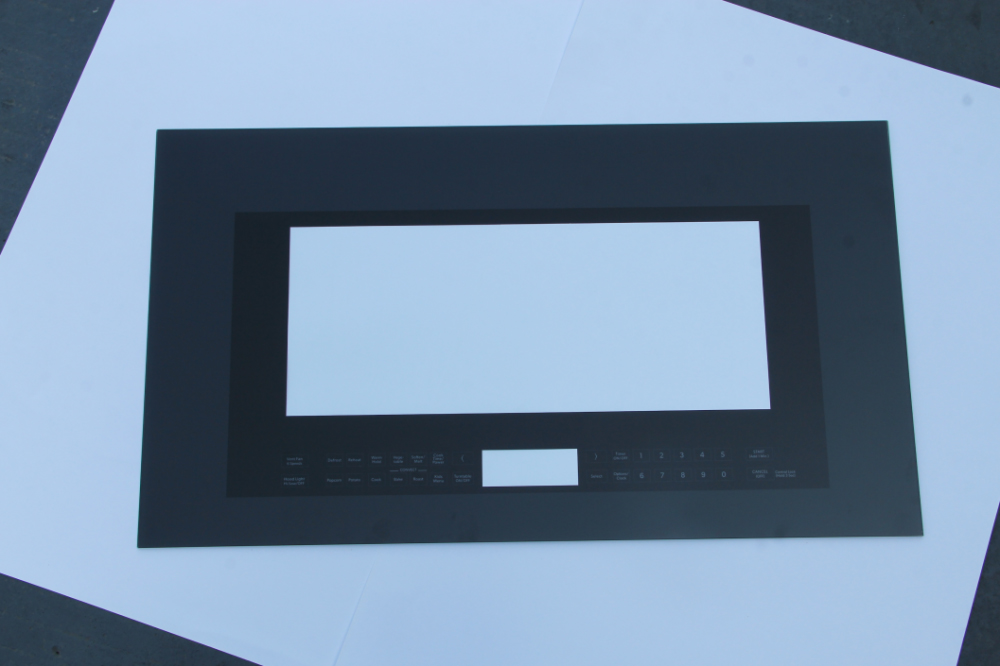
Heat resistant glass for oven use is glass selected or processed to withstand the thermal conditions associated with oven operation. It must tolerate the temperatures and temperature changes expected in its intended position without unacceptable cracking, deformation, or loss of performance.
Different oven components have different requirements. The inner glass of an oven door is exposed to the cooking chamber's heat, while the outer glass must help protect users from excessive surface temperatures. Control Panel Glass, meanwhile, needs to withstand the temperatures and environmental conditions around the appliance controls.
Depending on the design, manufacturers may use specially formulated glass, heat-strengthened glass, or tempered glass. These materials are not interchangeable in every application. Ordinary tempered glass, for example, is not automatically suitable for direct exposure to high oven temperatures. Glass composition, heat treatment, thickness, installation method, and temperature limits must all be considered.
Oven door glass must be suitable for the temperature range and heating conditions of the appliance. The required performance depends on whether the glass faces the cooking chamber, sits in the middle of a multi-pane door, or forms the exterior viewing panel.
For this reason, buyers should confirm the glass manufacturer's recommended operating temperature and thermal performance instead of relying on the general description "heat resistant."
During cooking, oven glass can experience rapid temperature changes. Thermal shock resistance helps the glass withstand these changes without cracking under specified conditions.
Glass composition, thickness, edge quality, surface condition, and mounting stress can all affect thermal performance. Proper edge processing and installation are especially important for oven door glass exposed to repeated heating cycles.
Transparent oven glass allows users to monitor food without opening the door. Clear visibility is important for residential ovens, commercial cooking equipment, and built-in appliances.
Depending on the product design, manufacturers may also offer tinted glass, printed glass, or glass with decorative borders to match the appliance's appearance.
Oven door glass must withstand normal handling, door operation, and the mechanical stresses created by its frame and mounting system. Appropriate glass selection and processing help reduce the risk of failure.
The required safety performance depends on the appliance design and applicable standards. Buyers should confirm that the selected glass is suitable for its specific position and intended use.
Custom oven glass can be manufactured according to specific dimensions and design requirements. Options may include customized thickness, shaped edges, drilled holes where technically suitable, printed patterns, and other fabrication features.
Accurate drawings and clear technical specifications help manufacturers produce glass that fits the appliance assembly correctly.
Custom tempered glass is glass manufactured to specified dimensions and processed through a controlled heat-treatment process to improve its mechanical strength and thermal stress resistance compared with comparable annealed glass.
During tempering, glass is heated to a controlled temperature and rapidly cooled. This creates surface compression and internal tension, giving the glass different breakage characteristics from ordinary annealed glass.
Custom tempered glass can be produced in different sizes, thicknesses, shapes, and finishes to meet product design requirements. It is widely used in architectural glazing, furniture, appliance panels, and other applications.
However, customization and tempering do not automatically make glass suitable for every oven application. For oven door glass, the manufacturer must confirm that the glass composition, heat treatment, temperature rating, and installation conditions are appropriate for the intended use.
Oven door glass is the glazing component installed in the oven door assembly. It allows users to view the cooking chamber while helping maintain the appliance's thermal performance.
Depending on the oven design, the door may contain multiple glass panes separated by an air gap or another designed insulating space. The complete assembly helps manage heat transfer and exterior surface temperature.
When selecting oven door glass, buyers should consider glass thickness, dimensions, transparency, thermal requirements, edge processing, and compatibility with the door frame.
Tempered glass for oven door applications is used when the glass specification and appliance design are compatible with the tempering process and the intended operating conditions.
The glass can offer improved mechanical strength and favorable breakage characteristics compared with comparable annealed glass. Nevertheless, high-temperature exposure and thermal shock requirements must be evaluated separately. Tempered glass should not be selected solely on the assumption that it can withstand any oven temperature.
For OEM projects, the glass supplier and appliance manufacturer should verify the appropriate material, processing method, and performance requirements before mass production.
Inner glass for oven door assemblies faces the cooking chamber and may experience more direct thermal exposure than the outer pane. Its material and temperature resistance therefore require particular attention.
The inner pane may be designed as part of a multi-layer door system that helps retain heat and improve cooking efficiency. The appropriate glass type depends on the oven's maximum operating temperature, heating cycle, cleaning system, and door construction.
Manufacturers should also consider edge quality, mounting clearances, and the effects of repeated heating and cooling.
Front oven door glass generally refers to the visible glass panel on the front of an oven door. Depending on the appliance design, it may be the exterior pane or a designated front-facing glass component.
Appearance is an important consideration for this product. Buyers may require clear or tinted glass, decorative printing, customized shapes, or a specific surface finish to coordinate with the appliance's design.
The front pane must also meet the thermal and mechanical requirements of its installed position.
A double glass oven door typically incorporates two glass panes with a designed gap between them. This construction helps reduce heat transfer from the cooking chamber toward the exterior of the appliance.
The overall thermal performance depends on the pane materials, gap design, seals, frame construction, and air circulation. Some oven models use more than two panes or other specialized insulation structures.
For appliance manufacturers, the complete door assembly should be evaluated to ensure suitable insulation, safe exterior temperatures, and reliable performance during repeated use.
Microwave oven door glass is part of a specialized door assembly designed for microwave operation. It differs from conventional oven glass because the door must also contribute to microwave containment through the appliance's engineered shielding structure.
A replacement or custom microwave door glass component must be compatible with the original design, including the required conductive mesh or other shielding elements where applicable. Ordinary tempered glass alone is not a substitute for a complete microwave door assembly.
Manufacturers should follow the appliance design specifications and relevant safety requirements when sourcing this type of glass.
Oven control panel glass is used as the front surface of an appliance's control interface. It may cover touch controls, displays, or other electronic components.
Unlike inner oven glass, control panel glass is often selected for appearance, surface durability, cleanability, and compatibility with electronic interfaces. Options may include printed markings, black or other colored finishes, shaped edges, and openings where required by the design.
The material must still meet the temperature, impact, and environmental requirements of its actual installation location.
Producing reliable oven glass requires careful material selection and process control. The exact manufacturing route depends on the glass type and intended application.
The manufacturer identifies a suitable glass composition according to the operating temperature, thermal shock requirements, transparency, and mechanical performance needed for the application.
For high-temperature oven components, the material's temperature rating and thermal expansion behavior are especially important.
The glass is cut to the specified dimensions and shaped according to the product drawings. Any required holes, notches, or other edge features generally need to be completed before tempering, because tempered glass cannot be conventionally cut or drilled afterward.
Edges are processed to remove sharpness and reduce defects that could affect strength. Additional surface treatments or decorative processing may be applied when required by the design.
Where the selected glass is designed for tempering, it undergoes controlled heating and cooling. The process parameters depend on the glass composition, thickness, dimensions, and manufacturing requirements.
Not all oven glass requires the same heat-treatment process. The selected method must be compatible with the material and its intended operating conditions.
Some oven glass products require ceramic printing, decorative borders, or other finishes. These processes must be compatible with the glass material and the expected thermal exposure.
Finished products are inspected for dimensions, surface defects, edge quality, appearance, and other specified requirements. Depending on the application, testing may also address thermal performance, mechanical properties, and compliance with relevant appliance standards.
Choosing the right glass requires matching the product specification to the actual appliance design.
Identify the maximum expected temperature at the glass location, including temperature changes during heating, cooking, cooling, and cleaning cycles. The inner pane and outer pane may require different specifications.
Compare available glass types according to thermal resistance, thermal shock performance, strength, and the manufacturer's technical data. Do not assume that all tempered glass is suitable for direct oven exposure.
Provide accurate dimensions, glass thickness, tolerances, and drawings. These details help ensure a proper fit and reduce installation stress.
Determine whether the product is intended for a single-pane door, a double glass oven door, or a multi-pane assembly. The glazing arrangement can affect heat retention, exterior surface temperature, and overall appliance performance.
For visible door panels and control panel glass, clarify the required transparency, tint, printed pattern, color, surface finish, and edge treatment.
Ask the supplier for applicable technical data, temperature ratings, inspection criteria, and relevant compliance documentation. For microwave oven door glass, verify compatibility with the complete microwave shielding design.
A professional tempered glass supplier should be able to evaluate the application's technical requirements rather than simply manufacture glass to a specified size.
For oven and appliance manufacturers, important considerations include material traceability, dimensional accuracy, consistent processing quality, suitable glass selection, and reliable production capacity. A supplier experienced in custom glass fabrication can also help optimize the design for manufacturing and assembly.
When requesting a quotation, provide the intended application, glass dimensions, thickness, material requirements, temperature conditions, processing details, expected quantity, and drawings if available. This information helps the supplier recommend a suitable solution and provide a more accurate quotation.
Whether you need heat resistant glass for oven doors, custom tempered glass panels, inner glass for oven doors, double glass oven door components, or oven control panel glass, choosing the right material and manufacturing process is essential for product safety and long-term performance.
The glass type depends on the oven design and its operating conditions. Manufacturers may use specially formulated heat-resistant glass, tempered glass designed for the application, or multi-pane glass assemblies. The material must meet the required temperature and safety specifications.
It can be suitable when its material properties, processing, and temperature rating match the intended application. Standard tempered glass should not automatically be considered suitable for direct exposure to high oven temperatures.
Inner oven door glass faces the cooking chamber and may experience higher temperatures. Front oven door glass generally refers to the visible front-facing pane, which may have different thermal and appearance requirements. The exact meaning depends on the appliance design.
A double glass oven door uses two panes and a designed gap to help reduce heat transfer toward the exterior. The actual insulation performance depends on the complete door structure, including the glass, gap, seals, and frame.
Yes. Custom oven glass can be manufactured to specified dimensions, thicknesses, shapes, and finishes, subject to the capabilities of the supplier and the requirements of the selected glass material. The design should be confirmed before production.
No. Microwave oven doors require an engineered structure that helps contain microwave energy. Any replacement glass must be compatible with the complete door assembly and its shielding components; ordinary glass alone is not sufficient.
Provide the application, glass dimensions, thickness, material or temperature requirements, edge processing, appearance specifications, quantity, and technical drawings. For replacement parts, the appliance model and original component specifications can also help confirm compatibility.

Tel/Whatsapp:+86 13423078888
E-mail:chloe_mo@wchtemperglass.com
Address:Yuan He Road North, Xiang Xi Industrial Zone, Shipai Town, Dongguan City, Guangdong Province, China


Privacy Policy Cookie Policy Terms and Conditions
Copyright © 2025 W.C.H Temper Glass Co., Ltd. All rights reserved.