
 English

Blog
Provide One-Stop Customized Services
WCH is dedicated to providing high-precision and high-quality
tempered glass customization services for home appliance manufacturers.


2026-10-23 10:02:33
Low emissivity glass, commonly known as Low-E Glass, is an energy-efficient glazing solution designed to reduce heat transfer while maintaining natural light transmission. With a special low-emissivity coating on the glass surface, it helps control infrared radiation and improve the thermal performance of windows, doors, curtain walls, and insulated glass units.
As a professional Low-E glass manufacturer, we provide glass solutions for residential, commercial, and architectural applications. Our low emissivity glass products are designed to meet different requirements for thermal insulation, solar heat control, visible light transmission, and building energy efficiency.
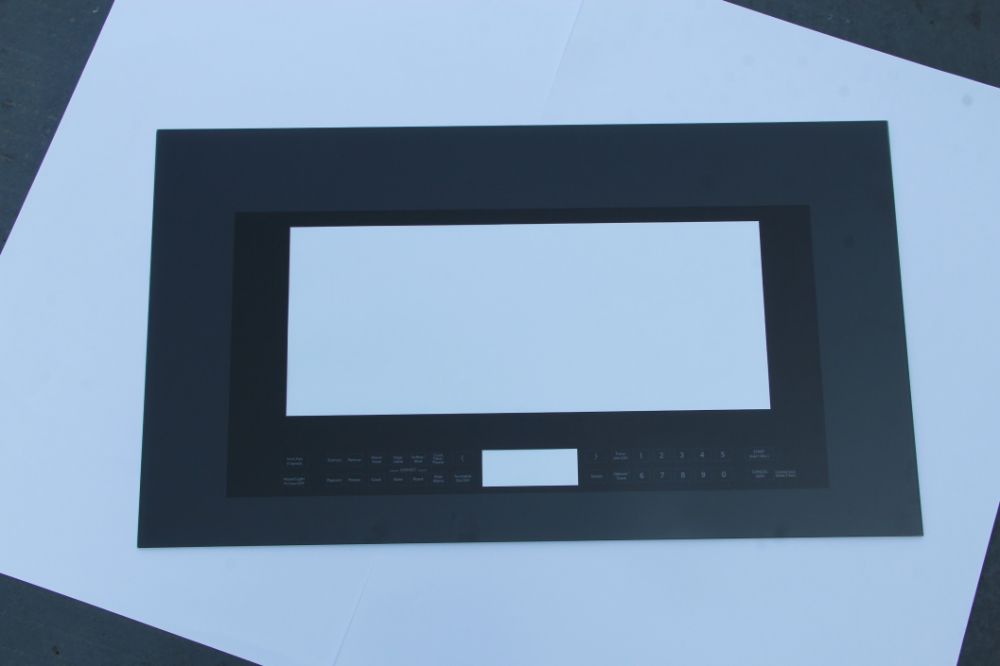
Low emissivity glass is glass coated with an extremely thin layer or multiple layers of metallic or metal oxide materials. This coating reduces the amount of infrared heat radiation transferred through the glass while allowing a substantial amount of visible light to pass through.
Compared with ordinary clear glass, Low-E coated glass can help improve indoor comfort and reduce heating and cooling energy consumption when incorporated into a properly designed glazing system.
Low emissivity glass is commonly used in double-glazed or triple-glazed windows, commercial building facades, curtain walls, and other energy-efficient building systems. Its overall performance depends on the coating design, glass configuration, climate, and installation conditions.
The low-emissivity coating is engineered to reflect a significant portion of long-wave infrared radiation. This helps regulate heat transfer through the glazing system without necessarily reducing visible light transmission to the same extent.
During cold weather, Low-E glass can help reflect indoor radiant heat back into the building, reducing heat loss through windows. In warm climates, solar-control Low-E glass can reduce the amount of solar heat entering a building, helping lower cooling demand.
Different Low-E coatings offer different balances of thermal insulation, solar heat gain, and visible light transmission. Selecting the right product depends on the building's location, window orientation, energy-efficiency targets, and design requirements.
As a Low-E Glass Supplier, we understand that different projects require different coating technologies and performance characteristics. The main types of low emissivity glass include the following.
Online Low-E glass, also known as hard-coat Low-E glass, is produced by applying a functional coating during the glass manufacturing process. The coating is generally durable and can offer good resistance to handling and environmental exposure.
Depending on the specific product, online Low-E glass may be suitable for certain post-processing operations and applications where coating durability is important. Buyers should confirm the available processing options and performance specifications with the manufacturer.
Offline Low-E glass, often called soft-coat Low-E glass, is typically manufactured using magnetron sputtering or a similar vacuum coating process. This technology allows manufacturers to create sophisticated multilayer coatings with different optical and thermal properties.
Offline Low-E glass is widely used in high-performance insulating glass units for residential and commercial buildings. Many products require further processing, such as tempering or assembly into insulating glass units, according to the coating specifications.
High-transmittance Low-E glass is designed to balance thermal insulation with natural daylight. It is suitable for projects where maintaining bright indoor spaces and reducing heat loss are important considerations.
Solar control Low-E glass is engineered to limit solar heat gain while providing suitable levels of visible light transmission. It is commonly used in commercial buildings, office towers, curtain walls, and buildings located in warmer climates.
The best choice depends on the project's climate conditions, facade design, and required energy performance.
One of the main advantages of low emissivity glass is its ability to reduce heat transfer through glazing. When used in a suitable insulating glass unit, it can help keep indoor spaces warmer in winter and more comfortable throughout the year.
Energy efficient glass can help reduce heating and cooling demand by improving window thermal performance. This may contribute to lower energy costs and support building energy-efficiency goals, although actual savings depend on the entire building design and operating conditions.
Windows are often a major source of heat loss and unwanted solar heat gain. Low-E insulated glass can help moderate temperature differences near windows, supporting a more comfortable indoor environment.
Low-E coated glass can be engineered to provide a useful balance between visible light transmission and solar control. This allows architects and building owners to select glazing that supports daylighting without overlooking thermal performance.
Low-E glass is widely used in energy-efficient buildings because it can improve glazing performance and help reduce operational energy demand. It may also support relevant green building objectives when specified as part of a broader building strategy.
Low emissivity glass is suitable for a wide range of architectural and construction projects.
Residential Windows and Doors
Low-E glass is commonly used in houses, apartments, and residential developments. When incorporated into properly designed insulated glazing, it helps improve thermal insulation and indoor comfort.
Commercial Buildings
Offices, shopping centers, hotels, and other commercial buildings often use Low-E glass to manage solar heat gain and reduce heating and cooling requirements.
Glass Curtain Walls
Low-E coated glass is an important glazing option for modern curtain wall systems. It allows designers to balance facade appearance, daylighting, and energy performance.
Insulating Glass Units
Low-E glass is frequently combined with another glass pane and a sealed cavity to produce Low-E insulated glass. The cavity may contain air or an appropriate insulating gas, depending on the system design.
Architectural and Industrial Projects
Depending on the coating and glass configuration, Low-E glass can be specified for a variety of architectural glazing projects that require particular thermal or solar-control performance.
| Feature | Ordinary Clear Glass | Low-E Glass |
|---|---|---|
| Low-emissivity coating | Usually absent | Present |
| Infrared heat control | Limited | Improved |
| Thermal performance | Depends on glass configuration | Can be improved, especially in insulating glass units |
| Solar heat control | Limited unless combined with other treatments | Available in selected coating designs |
| Natural light | Generally good | Depends on coating and glass specifications |
| Typical applications | General glazing and partitions | Energy-efficient windows, curtain walls, and insulated glazing |
The performance difference depends on the complete glazing system. Low-E glass should be selected based on measurable properties such as U-factor, solar heat gain coefficient (SHGC), and visible light transmittance (VLT), rather than the coating name alone.
Choosing the right Low-E glass manufacturer is important for achieving the required performance, appearance, and processing compatibility.
Review Product Specifications
Check the available glass thicknesses, coating types, visible light transmittance, solar heat gain coefficient, and thermal performance data. For projects with specific energy requirements, request technical documentation for the proposed glazing configuration.
Confirm Processing Compatibility
Different Low-E coatings have different requirements for cutting, edge deletion, tempering, storage, and insulating glass production. Confirm that the selected product is compatible with your fabrication process and final application.
Consider Project Requirements
Residential windows, commercial curtain walls, and large architectural projects may require different coating characteristics. A suitable supplier should be able to help identify options based on climate, building orientation, facade design, and project specifications.
Evaluate Quality Control and Technical Support
For bulk orders and construction projects, consistent product quality, reliable delivery, and clear technical communication are essential. Ask the manufacturer about quality inspection procedures, product documentation, sample availability, and order requirements.
A professional Low-E glass supplier should provide more than a coated glass product. Buyers may also need assistance with product selection, technical specifications, processing requirements, and coordination for project orders.
As a Low-E glass manufacturer, we serve customers seeking energy-efficient glazing solutions for residential, commercial, and architectural applications. Our product range can support different requirements for thermal insulation, solar control, and daylight transmission, subject to the specifications of each available product.
Whether you are a glass processor, window and door manufacturer, construction contractor, distributor, or architectural project buyer, selecting the right Low-E coated glass can help you meet your project's glazing requirements.
Contact our team to discuss your application, preferred glass specifications, order quantity, and technical requirements.
Low emissivity glass is primarily used in energy-efficient windows, doors, curtain walls, and insulating glass units. It helps reduce heat transfer and can improve indoor comfort when incorporated into an appropriate glazing system.
Low-E glass refers to glass with a low-emissivity coating. Low-E insulated glass typically combines Low-E coated glass with another glass pane and a sealed cavity. The additional cavity can improve the overall thermal insulation performance of the glazing unit.
Yes. Solar control Low-E glass can help reduce unwanted solar heat gain in warm climates. The appropriate coating should be selected according to solar exposure, visible light requirements, and the building's cooling needs.
Some Low-E glass products can be tempered, while others require specific processing conditions. Compatibility depends on the coating type and manufacturer specifications. Always confirm processing requirements before fabrication.
Consider the building's climate, window orientation, required U-factor, solar heat gain coefficient, visible light transmittance, glass configuration, and fabrication requirements. A qualified manufacturer or glazing specialist can help identify a suitable product.
Contact a Low-E glass manufacturer or supplier with your required dimensions, glass thickness, coating type, performance targets, estimated order quantity, and destination market. These details help the supplier recommend suitable products and prepare a quotation.
Looking for a reliable Low-E glass manufacturer and supplier for your next project? We provide low emissivity glass solutions for window manufacturers, glass processors, construction companies, distributors, and architectural projects.
Contact our team to discuss your product requirements, request technical information, and explore suitable Low-E coated glass options for your market.

Tel/Whatsapp:+86 13423078888
E-mail:chloe_mo@wchtemperglass.com
Address:Yuan He Road North, Xiang Xi Industrial Zone, Shipai Town, Dongguan City, Guangdong Province, China


Privacy Policy Cookie Policy Terms and Conditions
Copyright © 2025 W.C.H Temper Glass Co., Ltd. All rights reserved.